
3 Boise Winter Roof Dangers Every Homeowner Should Know
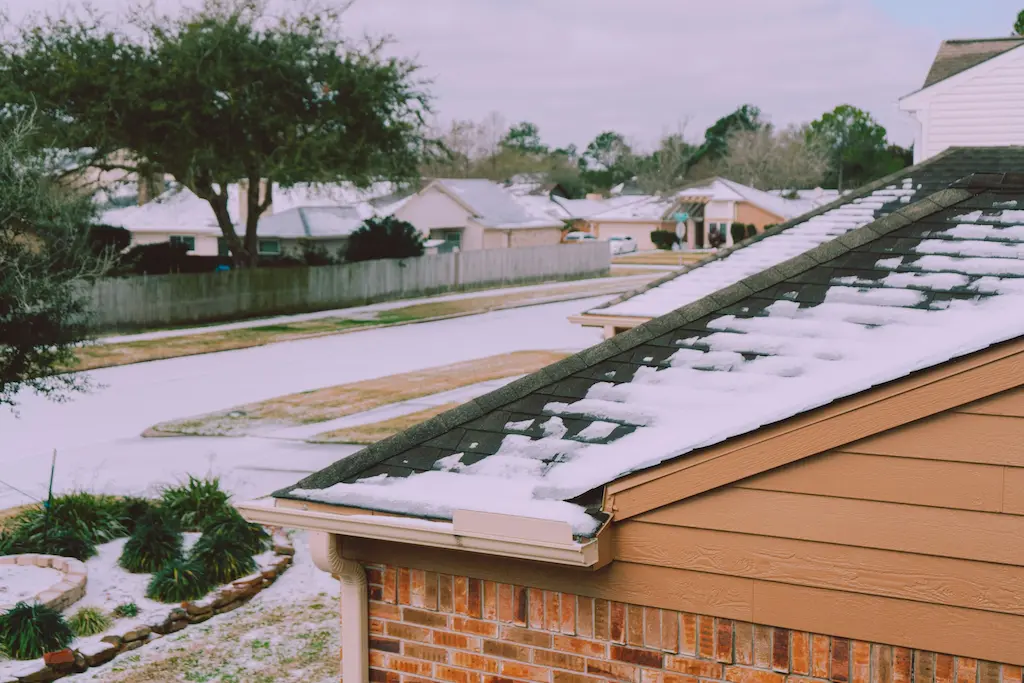
Boise winter roof dangers threaten hundreds of Treasure Valley homes every season. When temperatures drop and snow accumulates, your roof becomes the first line of defense between your family and Idaho’s harsh weather. Understanding boise winter roof dangers helps you prevent expensive emergency repairs when spring arrives.
At Signature Roofing, we’ve repaired countless roofs damaged by winter weather throughout the Treasure Valley. Most of this damage is preventable with proper preparation and maintenance. This guide covers the three biggest boise winter roof dangers and what you can do to protect your home before the first snowfall.
Understanding Boise Winter Roof Dangers
Idaho winters create unique challenges for residential roofs. While Boise doesn’t experience the extreme snow loads of McCall or Sun Valley, the combination of freeze-thaw cycles, occasional heavy snowfall, and strong wind gusts creates specific vulnerabilities for Treasure Valley homeowners.
These dangers develop gradually throughout winter and often go unnoticed until spring rains reveal the damage. By then, minor issues have become major repair projects costing thousands of dollars.
Here are the three most common threats your roof faces during Boise winters:
Danger #1: Ice Dams and Melt-Freeze Leaks
One of the most common winter roofing issues in Boise is the formation of ice dams. When attic heat melts snow on the upper roof, water runs down toward the colder eaves and refreezes. This buildup traps additional meltwater, which can seep under shingles and cause leaks.
Warning signs:
- Icicles forming along gutters
- Ceiling stains or damp insulation near exterior walls
- Warped fascia boards or soffits
Prevention tips:
- Add proper attic insulation and ventilation to keep roof temps consistent.
- Clean gutters before winter so meltwater can drain freely.
- Use a roof rake to safely remove heavy snow from eaves after storms.
If you already see ice buildup, don’t chip at it — contact a Boise roofing contractor to safely clear and inspect your roof.
Ice dams rank among the most destructive winter roofing problems in Boise. When heat escaping from your attic melts snow on your roof, the melted water runs down to the colder eaves and gutters where it refreezes. This creates a dam of ice that traps additional meltwater behind it.
As more snow melts throughout the day (Boise’s sunny winter days often reach the 40s), water backs up behind the ice barrier and seeps under shingles, eventually causing interior leaks.
Why Boise Homes Are Vulnerable:
- Treasure Valley freeze-thaw cycles create perfect conditions for ice dam formation
Warning Signs to Watch For:
- Large icicles hanging from gutters or eaves
- Water stains on interior ceilings near exterior walls
- Visible ice buildup along roof edges
- Sagging or damaged gutters
- Damp insulation in attic near exterior walls
How to Prevent Ice Dams:
- Ensure proper attic insulation (R-38 minimum for Boise climate)
- Install adequate attic ventilation with soffit and ridge vents
- Keep gutters clean before winter so meltwater drains freely
- Consider heated cable installation in chronic problem areas
- Use a roof rake to remove snow buildup after heavy storms
If you notice ice dams forming, never use sharp tools, hammers, or ice picks to chip away ice—you’ll damage shingles and void warranties. Contact a professional Boise roofing contractor for safe ice dam removal.
Danger #2: Heavy Snow Load and Structural Stress
A wet Idaho snowstorm can dump hundreds of pounds of weight on your roof.
Flat or low-slope roofs are especially vulnerable because snow doesn’t slide off easily.
Prolonged weight can lead to sagging rafters, cracked drywall, or even partial collapse in extreme cases.
What to watch for:
- Creaking or popping noises after snowfall
- Bowed ceilings or visible dips in the roofline
- Doors suddenly sticking or misaligned
Maintenance tip:
- Remove excess snow evenly across the roof’s surface — never pile it in one spot.
- If you notice sagging or leaks, schedule a roof inspection before the next freeze-thaw cycle.
While Boise typically receives moderate snowfall compared to Idaho’s mountain communities, wet spring storms can dump significant weight on your roof. A single cubic foot of wet, heavy snow can weigh 20+ pounds—quickly adding thousands of pounds to your roof structure.
Flat or low-slope roofs are especially vulnerable because snow doesn’t slide off naturally. Properties in the Boise Foothills may experience higher accumulation than valley locations.
Roofs Most At Risk:
- Flat or low-slope roofs (common on garages and additions)
- Older homes with aging trusses or rafters (pre-1990 construction)
- Properties with multiple roof levels where snow drifts accumulate
- Homes with poor drainage design
Warning Signs of Excessive Snow Load:
- Sagging or bowing in roof deck visible from inside attic
- Interior ceiling cracks or separation from walls
- Doors or windows that suddenly stick or won’t close properly
- Unusual creaking, popping, or cracking sounds during storms
- Water leaks appearing after snow accumulation
Safe Snow Removal:
Most residential roofs in Boise are built to code for typical snow loads (25-30 pounds per square foot). However, if accumulation exceeds 12-18 inches of wet snow or you notice warning signs:
- Use a roof rake to safely remove snow from ground level
- Never climb on a snow-covered roof (slip hazard)
- Focus on flat sections or valleys where snow accumulates
- Remove snow evenly across roof surface—never pile in one area
- Call professionals for steep roofs or if you see structural concerns
Homes in the Foothills, older properties, or those with known structural issues should be monitored more closely during winter storms.
Danger #3: Freeze-Thaw Cycle Damage
Boise’s winter weather pattern of freezing nights and warmer days creates a destructive freeze-thaw cycle that accelerates roof aging. This process causes progressive damage that compounds each winter season.
How Freeze-Thaw Damage Occurs:
Water penetrates small cracks, worn areas, or gaps around flashings. When temperatures drop overnight, this moisture freezes and expands (ice expands by about 9% when water freezes). The expansion forces cracks wider. When it thaws the next day and refreezes again, the cycle repeats—widening cracks further each time.
Components Most Vulnerable:
- Shingle edges and corners (granule loss accelerates)
- Roof valleys where water concentrates
- Flashing around chimneys, vents, and skylights
- Sealant around pipe boots and penetrations
- South-facing slopes (receive more sun, faster thaw cycles)
- Older roofs (15+ years) with existing wear
Progressive Damage Pattern:
- Year 1: Small cracks appear in worn shingles
- Year 2: Cracks widen, sealant bonds begin failing
- Year 3: Shingles start curling, flashing separates
- Year 4+: Active leaks develop, underlayment deteriorates
Prevention Strategy:
The best defense against freeze-thaw damage is a fall roof inspection. Before winter arrives (late September or early October), have a professional check:
- Shingle condition and granule loss
- Flashing integrity around all penetrations
- Sealant condition on pipe boots and vents
- Evidence of existing small leaks
- Gutter and downspout functionality
Minor repairs in October prevent major emergency leaks in February. A $300 flashing repair in fall saves a $5,000 interior damage claim in spring.
Protect Your Boise Home from Winter Roof Dangers
Winter roof damage is largely preventable with proper maintenance and professional inspection. Most Boise homeowners should schedule a comprehensive roof checkup in late September or early October, before the first significant snowfall (typically mid-November in the Treasure Valley).
Your Winter Roof Protection Checklist:
- Schedule professional inspection before freeze season
- Clean gutters and downspouts completely
- Verify attic insulation meets R-38 minimum
- Check attic ventilation (soffit and ridge vents clear)
- Trim overhanging tree branches
- Repair any existing damage before snow arrives
- Have emergency contractor contact information ready
When to Call Signature Roofing:
- You notice any warning signs mentioned above
- Your roof is 15+ years old
- You’ve never had a professional winter inspection
- You experienced leaks last spring
- You’re buying or selling a home this winter
As Boise’s trusted GAF Master Elite® roofing contractor, Signature Roofing provides comprehensive roof inspections throughout the Treasure Valley. We identify vulnerabilities, recommend preventive measures, and provide upfront estimates for any needed repairs.
Emergency Services Available:
- Ice dam removal
- Storm damage tarp installation
- Emergency leak repairs
- Snow load assessment
Don’t wait until spring leaks appear—protect your home now with a professional inspection from Boise’s most trusted roofing contractor.
Request Your Winter Roof Inspection
- Call 208-609-9071
- Request a free inspection online
- Signature Roofing serves Boise, Meridian, Nampa, Caldwell, Eagle, and Garden City